Zinc is more than just an immune booster — it plays a key role in how your brain learns and remembers. Recent studies reveal that zinc acts as a chemical messenger in the brain, directly influencing synaptic plasticity, the process that strengthens or weakens connections between neurons. This is crucial for learning, memory, and adapting to new information.
Here’s what you need to know about zinc’s role in brain health:
- Zinc fine-tunes brain signals: It regulates synaptic strength, acting like a “volume knob” for communication between neurons.
- Impact on brain disorders: Imbalances in zinc levels are linked to conditions like ADHD, autism, schizophrenia, and Alzheimer’s.
- Balance is key: Both low and high zinc levels can harm synaptic connections, affecting cognitive function.
- Zinc and brain development: Proper zinc levels are critical for forming healthy neural connections in children and maintaining cognitive function as we age.
- Dietary sources matter: Foods like oysters, red meat, nuts, and dairy can help you meet daily zinc needs (11 mg for men, 8 mg for women).
Zinc’s role in brain health is still being studied, but its influence on synaptic plasticity highlights its importance in addressing neurological disorders and maintaining cognitive function at every stage of life.
How Zinc Affects Brain Connection Changes
Zinc plays a fascinating role in the brain, influencing how nerve signals are transmitted, shaping the structure of neural connections, and interacting with growth factors. Let’s break down these complex processes to better understand zinc’s impact.
Zinc and Nerve Signal Transmission
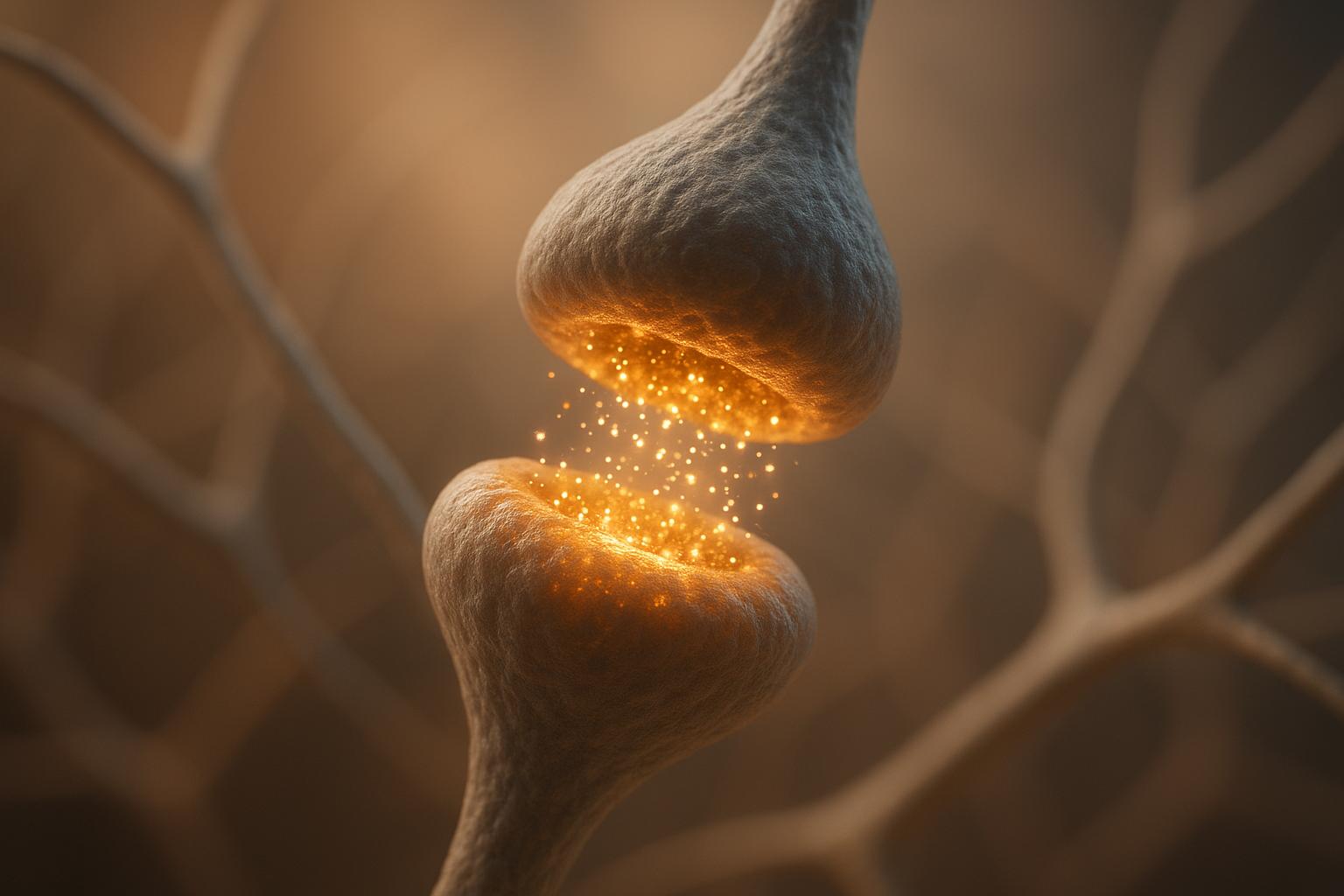
Zinc actively participates in the synaptic communication between neurons. When neurons fire, they release zinc along with neurotransmitters into the synaptic gap. Here, zinc fine-tunes the strength of the signals. At low activity levels, zinc inhibits excitatory signals by blocking AMPA receptors. During intense activity, however, it amplifies these signals at presynaptic terminals. This dual role is controlled by Group 1 metabotropic glutamate receptors (G1 mGluRs), which are critical for long-term changes in synaptic strength.
For example, studies in the auditory brainstem of mice revealed that exposure to loud sounds triggers G1 mGluR-dependent long-term depression (Z-LTD) at zinc-rich synapses. This dynamic modulation of signals also contributes to long-term potentiation (Z-LTP) during low-frequency stimulation. These functional changes are accompanied by structural shifts in neurons, showing just how deeply zinc is involved in shaping brain connections.
Effects on Nerve Cell Branches
Zinc doesn’t just affect how neurons communicate; it also impacts their structure. Research using cultured mouse neurons has shown that altering zinc levels can significantly reduce the formation of synapses. For instance, exposing neurons to a zinc concentration of 10 μM led to approximately a 15% decrease in synapse formation. Increasing the concentration to 50 μM caused nearly a 50% loss of synapses. The table below highlights these findings:
| Zinc Concentration | Synapse Reduction | Synapse Size |
|---|---|---|
| 0 μM (control) | 0% | No change |
| 10 μM | ~15% | No change |
| 50 μM | ~50% | No change |
Interestingly, both excitatory (vGlut1-positive) and inhibitory (GAD65-positive) synapses are equally affected by excess zinc. While the number of synapses decreases, their size remains unchanged. This balance is crucial for maintaining proper neural communication. The protein PTPRM (protein tyrosine phosphatase receptor type M) appears to be a key player here. Excess zinc disrupts PTPRM’s function, leading to synapse loss. However, restoring PTPRM expression has been shown to reverse these impairments.
Zinc’s Work with Growth Factors
Zinc also teams up with brain-derived neurotrophic factor (BDNF), a growth factor essential for synaptic growth, maintenance, and adaptability. When zinc levels are disrupted, BDNF signaling falters, which can impair synaptic plasticity and cognitive function. This relationship underscores zinc’s role in supporting brain health and highlights its potential impact on conditions like ADHD, autism, and learning disabilities.
For instance, maintaining adequate zinc levels during childhood is critical for forming the neural connections needed for learning. In older adults, zinc may help protect against cognitive decline. Research suggests that therapies targeting zinc balance — whether through diet, supplements, or regulating zinc transporters like ZIP12 — could help manage symptoms of neurodevelopmental conditions. However, balance is everything: both zinc deficiency and excess can interfere with these vital processes, making it crucial to maintain optimal levels throughout life.
Medical Importance of Zinc in Brain Health
Zinc plays a pivotal role in brain function, particularly in synaptic communication. When zinc levels are off balance, it can disrupt neurological processes, shedding light on the mechanisms behind certain brain disorders and offering potential pathways for treatment.
Zinc Imbalances and Brain Disorders
When zinc signaling goes awry, critical brain functions can falter. For example, the absence of the transporter ZnT3 highlights zinc’s importance in maintaining synaptic balance. Zinc is also a key player in neurotransmission within the neocortex and limbic system, influencing both excitatory and inhibitory pathways. Disruptions in these pathways have been linked to neurodevelopmental and degenerative conditions like autism, schizophrenia, and other brain disorders.
Too much zinc can also harm synaptic functions. Research shows that excessive zinc exposure disrupts both excitatory and inhibitory synapses. Zinc is fundamental to several neural processes, including neurogenesis, cell survival, redox signaling, synaptic plasticity, and immune regulation. When zinc balance is disturbed, these systems are affected, potentially impacting mood, memory, and sensory perception.
Zinc-Based Therapies: A Growing Potential
Emerging research has opened the door to zinc-focused therapies. Scientists at West Virginia University have made strides in controlling zinc release to specific areas of the brain, paving the way for new pharmaceutical approaches to treat neurological disorders. One researcher likened zinc’s role to a “volume knob” in the brain, suggesting that therapies targeting zinc release could fine-tune neural connections selectively.
However, precise control is critical. Even minor deviations in zinc levels can significantly impact synapse numbers. Studies have shown that restoring PTPRM expression can reverse impairments caused by excess zinc. Additionally, sex-specific differences in how zinc transporter deficiencies affect the brain highlight the importance of personalized treatment strategies. These findings underline the need for tailored approaches to maintain zinc balance throughout life.
Zinc’s Role in Development and Aging
Zinc’s influence spans the entire human lifespan, from early development to aging. During early brain development, proper zinc signaling is essential for forming synapses. Yet, elevated zinc levels during these critical periods can damage neural connections. Zinc is also vital for neurogenesis and cell survival, making it crucial for proper nutrition during pregnancy, infancy, and childhood. Disruptions in zinc levels during these stages may contribute to neurodevelopmental issues like ADHD, autism, and learning disabilities.
In later years, zinc continues to support brain health. A deficiency in ZnT3 has been linked to age- and sex-related impairments in spatial memory and synaptic plasticity, highlighting zinc’s role in maintaining cognitive function as we age. Optimizing zinc signaling may help preserve neurotransmission and short-term plasticity, promoting healthy cognitive aging. However, because zinc has a narrow therapeutic range, interventions must be carefully calibrated to avoid the harmful effects of excess zinc.
For healthcare providers, understanding zinc’s role across different life stages is essential. Early interventions tailored to individual needs could have a lasting impact on cognitive health, helping to mitigate the risks of neurological disorders later in life.
Real-World Uses for Complete Healthcare
Research into zinc’s role in synaptic plasticity offers practical insights for healthcare. By understanding how zinc influences brain function, healthcare providers can create more effective, tailored treatment plans that address the underlying causes of neurological and cognitive challenges. These findings highlight how nutritional strategies can play a key role in supporting brain health.
Brain Nutrition and Zinc
Zinc is essential for brain function, and dietary sources like oysters, red meat, poultry, seafood, beans, nuts, whole grains, and dairy products provide a natural way to meet daily needs. In the U.S., the Recommended Dietary Allowance (RDA) is 11 mg for men and 8 mg for women.
Globally, 17.3% of the population suffers from zinc deficiency, which can significantly impair cognitive development and function. Supplementation can help, but it requires professional guidance since the Tolerable Upper Intake Level (UL) for adults is 40 mg per day to avoid toxicity. Striking the right balance is critical — while deficiency affects cognitive function, excessive zinc levels (e.g., 50 μM in studies) can reduce synapse formation by nearly 50% in cultured neurons. This narrow therapeutic range underscores the importance of personalized nutrition plans.
Healthcare providers should start with comprehensive dietary assessments before suggesting supplements. Certain groups — children, older adults, pregnant women, and individuals with chronic illnesses — are more prone to zinc imbalances and may require regular monitoring through serum zinc tests and evaluations of neurological symptoms.
Complete Care Models
These insights into zinc’s impact on brain health fit seamlessly into broader, personalized care models. For example, practices like HML Chiropractic & Functional Care incorporate zinc assessments into holistic treatment plans. Their approach combines functional neurology, family chiropractic care, and functional medicine to address conditions such as ADHD, autism, learning disabilities, and traumatic brain injuries.
Functional medicine frameworks are particularly suited for integrating nutritional interventions like zinc supplementation. These approaches focus on the whole person, examining factors like nutritional status, gut health, inflammation markers, and the interplay of minerals like copper and iron. This comprehensive care model aligns with research showing zinc’s role in synaptic health and cognitive function. During early brain development, zinc is crucial for synapse formation, while in later years, it supports neurotransmission and may help preserve cognitive abilities as we age.
Tailored care is especially important because zinc transporter deficiencies can affect the brain differently based on factors like age, gender, and genetic variations. This makes it essential for providers to consider these variables when developing treatment plans.
Patient Education and Awareness
Educating patients about zinc’s role in brain health is a vital part of care. Providers can use direct counseling and easy-to-understand materials to explain how zinc supports neurotransmission, learning, and emotional regulation.
Patients should be informed about the signs of zinc imbalance. Symptoms of deficiency include poor concentration, memory issues, mood changes, and delayed wound healing. On the other hand, excessive zinc intake can lead to nausea, vomiting, and reduced copper absorption. For families managing conditions like ADHD or autism, understanding zinc’s role can be particularly impactful. Some clinical observations suggest that addressing zinc deficiency in children with learning disabilities or ADHD may improve attention and cognitive function, though outcomes vary and require professional oversight.
Practical tips include food preparation methods that preserve zinc content, awareness of potential interactions with medications, and the importance of consistent monitoring when using supplements. While studies in mice indicate that optimizing zinc levels can enhance synaptic plasticity and memory performance, human applications need careful supervision by healthcare professionals.
Patient education extends beyond individual consultations. Community outreach and awareness programs can help patients understand the science behind zinc’s role in brain health, empowering them to make informed decisions about their diet and overall wellness strategies.
Key Points on Zinc’s Role in Brain Connection Changes
Research highlights zinc as a key player in maintaining brain health, particularly through its influence on synaptic plasticity. By understanding how zinc shapes neural connections, healthcare providers and patients can better address neurological function and cognitive performance. Here’s a closer look at the findings and their practical implications.
Zinc’s Role in Neural Function and Health
Zinc acts as a modulator of synaptic plasticity, directly impacting the strength of neural connections vital for learning, memory, and overall cognition. It works as a neuromodulator at excitatory synapses, affecting neurotransmitter release and receptor activity – especially through NMDA and AMPA receptors. This dual function supports both rapid neural communication and long-term adaptations essential for effective learning.
However, zinc’s impact depends on maintaining a delicate balance. Research shows that in cultured neurons, 10 μM zinc reduces synapse formation by about 15%, while 50 μM results in a 50% reduction. This affects both excitatory and inhibitory synapses without altering their size. This narrow therapeutic range explains why both zinc deficiency and excess can harm cognitive and neurological health.
Zinc also supports brain-derived neurotrophic factor (BDNF) and synaptic plasticity. Studies have identified specific genes, such as PTPRM, that mediate zinc’s influence on synapse formation. Restoring these genes can reverse synaptic impairments caused by zinc imbalances.
Incorporating Zinc into Holistic Healthcare
Given zinc’s biological significance, integrating its assessment into healthcare can enhance neurological outcomes. Its role in brain health underscores the need for comprehensive care approaches, particularly in addressing conditions like ADHD, autism, and age-related cognitive decline.
Healthcare providers should evaluate zinc levels during neurological assessments, especially for vulnerable groups like older adults, individuals with absorption issues, and those experiencing developmental or cognitive challenges. For example, studies on mice lacking the zinc transporter ZnT3 reveal progressive memory deficits and synaptic abnormalities, emphasizing the importance of assessing zinc transport mechanisms in clinical evaluations.
Incorporating zinc assessments into holistic care models allows providers to uncover nutritional factors contributing to neurological symptoms. Practices like HML Chiropractic & Functional Care (https://hmlfunctionalcare.com) adopt personalized approaches, ensuring micronutrient evaluations, including zinc status, are part of broader treatment strategies.
Opportunities for Future Research
While the current body of research underscores zinc’s importance in synaptic plasticity, there is still much to learn about its clinical applications. Determining the best supplementation strategies, including dosage, timing, and delivery methods, remains a priority . Additionally, researchers continue to explore how zinc interacts with other nutrients and signaling molecules, as well as its role in different types of synapses.
Future studies should focus on developing targeted treatments, such as drugs that influence zinc transporters or signaling pathways in specific brain regions. Long-term research assessing zinc’s effects on neurodevelopment and aging is crucial. Advances in techniques that allow precise control of zinc release within the brain could pave the way for therapies addressing synaptic dysfunction in neurological and cognitive disorders.
Establishing evidence-based zinc protocols will ultimately help clinicians deliver more effective care, improving outcomes for patients with neurological conditions and supporting brain health at every stage of life.
FAQs
What is zinc’s role in synaptic plasticity, and how does it impact learning and memory?
Zinc plays a crucial role in synaptic plasticity, which is the brain’s ability to adapt and strengthen neural connections. It’s involved in regulating neurotransmitter release and receptor activity, particularly NMDA and AMPA receptors – both of which are vital for long-term potentiation (LTP). LTP is a process that underpins how we form and store memories.
By boosting synaptic efficiency, zinc helps support essential cognitive functions like learning, memory retention, and problem-solving. Recent research underscores how important zinc is for maintaining a healthy brain, highlighting the need for balanced levels to support mental performance and overall brain health.
How can an imbalance of zinc in the brain affect neurological conditions like ADHD and Alzheimer’s?
Zinc plays an important role in keeping your brain functioning properly, especially when it comes to synaptic plasticity — the process that helps with learning and memory. When zinc levels are out of balance, whether too high or too low, it can disrupt this delicate process. This imbalance has been linked to neurological conditions like ADHD and Alzheimer’s disease. For instance, too much zinc can cause neurotoxicity, while too little can interfere with cognitive abilities and how neurons communicate.
While research is still ongoing, maintaining balanced zinc levels through a healthy diet or with guidance from a professional may help support brain health. If you’re dealing with cognitive or neurological symptoms, reaching out to a healthcare provider, such as the team at HML Chiropractic & Functional Care, can offer personalized advice and care options tailored to your situation.
What are some dietary tips or supplements to support healthy zinc levels for brain function, and how can you avoid exceeding safe limits?
Maintaining proper zinc levels is essential for brain health, particularly when it comes to learning and memory. To keep your zinc levels in check, try incorporating zinc-rich foods into your meals. Some great options include oysters, beef, chicken, beans, nuts, and whole grains. If you follow a vegetarian diet, you can also turn to fortified cereals and dairy products as reliable sources of zinc.
Thinking about taking zinc supplements? Be sure to talk with a healthcare professional first to determine the right dosage for your specific needs. For adults, the recommended daily allowance (RDA) is 11 mg for men and 8 mg for women. However, it’s important not to overdo it — excessive zinc intake can cause issues like nausea, stomach cramps, and even long-term health complications. Stick to the guidelines and avoid surpassing the tolerable upper intake level of 40 mg per day for adults.
Book an appointment with HML Chiropractic & Functional Care or call us at (816) 768-6000. We are located at 200 NE Missouri Rd, Suite 306, Lee’s Summit, MO 64086.