
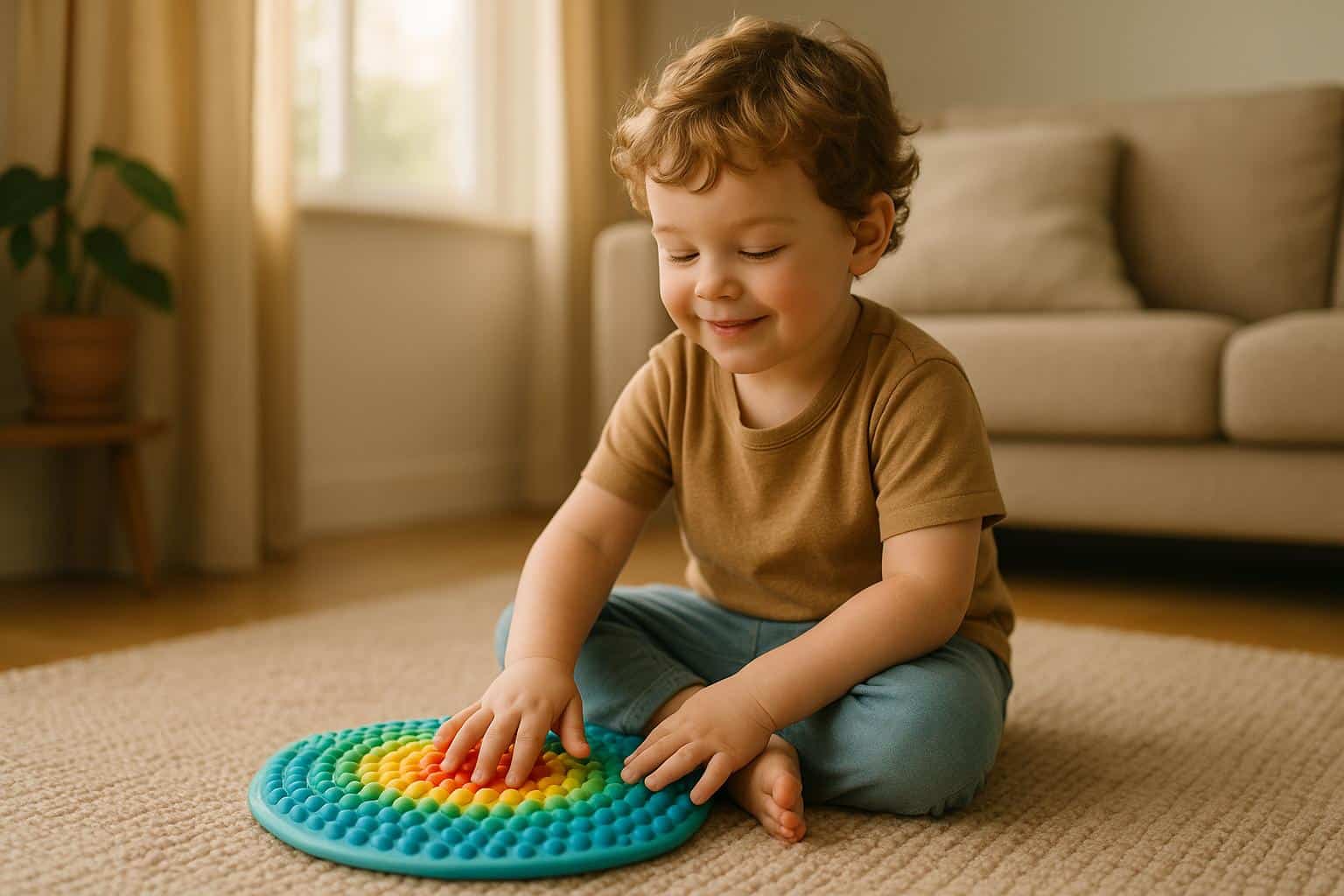
Tactile sensory therapy may help some children with autism respond more comfortably to touch-related sensations, but current research is still developing. The most appropriate approach depends on the child’s individual needs and should be coordinated with qualified professionals.
Understanding Tactile Processing in Autism
The tactile system helps the brain interpret pressure, texture, temperature, and other sensations received through the skin. Children with autism may respond to touch differently. Some are hypersensitive and may avoid light touch, certain fabrics, grooming, or physical contact. Others are hyposensitive and may seek stronger sensations by touching objects, leaning against people, or preferring firm pressure. A child may also show both patterns depending on the situation. These differences can affect dressing, bathing, eating, classroom participation, play, and family routines.
What Is Tactile Sensory Therapy?
Tactile sensory therapy is a broad term for activities intended to help a child respond more comfortably and appropriately to touch-related input. Common approaches may include deep-pressure activities, supervised use of weighted items, texture exploration, sensory play, and gradual exposure to challenging sensations. Some professionals also use structured brushing protocols. Because every child has a different sensory profile, these techniques should be selected and monitored by qualified professionals rather than used as a one-size-fits-all program.
What Does the Research Say?
Research on sensory-based interventions for autism shows potential, but the evidence remains mixed. Some studies report improvements in sensory regulation, participation in daily activities, individualized goals, motor skills, focus, or adaptive behavior. However, many studies involve small groups, inconsistent treatment methods, or limited long-term follow-up. Results also vary from child to child. For this reason, tactile sensory therapy should not be described as a cure for autism or as a guaranteed way to improve behavior, communication, or development.
Safety and Individualized Care
Deep pressure or texture-based activities may feel calming for one child and overwhelming for another. Weighted blankets, compression garments, brushing techniques, and graded exposure require careful consideration of the child’s age, health, communication abilities, and sensory responses. Parents and caregivers should stop an activity if it causes distress and seek guidance from an appropriately trained healthcare professional. Tactile activities are generally best used as one part of a broader, individualized plan and should not replace medical evaluation, occupational therapy, speech therapy, educational support, or other services a child may need.
How HML Functional Care Supports Children with Autism
HML Functional Care in Lee’s Summit, Missouri, does not provide tactile sensory therapy as a standalone service. Instead, the practice offers Functional Neurology, Chiropractic Care, and Functional Medicine through a non-invasive, brain-based, whole-person approach. Care begins with a detailed evaluation to better understand each child’s neurological function, health history, and individual needs. When appropriate, a personalized plan may include tools such as Interactive Metronome, Vestibular Therapy, Eye Movement Therapy, Senaptec, Cold Laser Therapy, or Hyperbaric Oxygen Therapy. Recommendations may also address nutrition, lifestyle, and other factors that can influence overall function and well-being.
A Balanced Next Step
Families considering tactile sensory strategies should look for providers who explain both the potential benefits and the limits of the evidence. Collaboration among healthcare professionals, therapists, educators, and caregivers can help ensure that goals are realistic, measurable, and centered on the child’s comfort and daily function. If your child is experiencing sensory, attention, balance, coordination, or other neurological challenges, HML Functional Care can provide an individualized evaluation and discuss whether its services are appropriate for your family’s goals.
| Disclaimer: This is for educational purposes only and does not provide medical advice, diagnosis, or treatment. Autism and sensory processing needs vary widely. Consult qualified healthcare professionals before beginning any new intervention. |
Book an appointment with HML Chiropractic & Functional Care or call us at (816) 768-6000. We are located at 200 NE Missouri Rd, Suite 306, Lee’s Summit, MO 64086.