
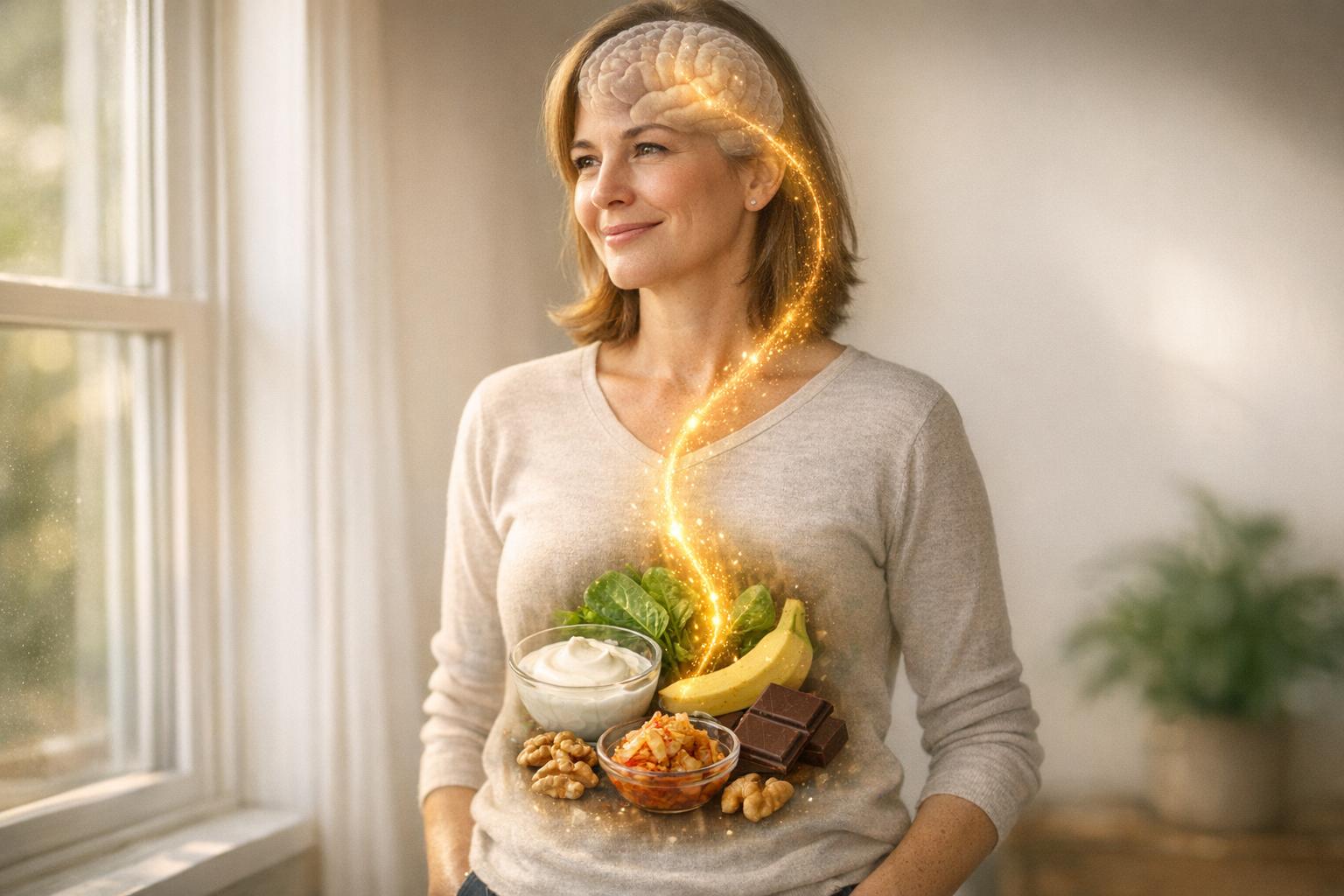
Your gut and brain are in constant conversation. Through a vast communication network called the gut-brain axis (GBA), signals about stress, digestion, mood, and cognition travel continuously in both directions. Understanding this system is not just academic — it has direct implications for conditions we see and treat every day at HML Chiropractic & Functional Care, including ADHD, autism, chronic health challenges, anxiety, and more.
Here are a few key facts that frame everything you’ll read below:
- 90% of serotonin and more than 50% of dopamine are produced in the gut.
- The gut microbiome — made up of trillions of bacteria — plays a pivotal role in producing neurotransmitters like serotonin, dopamine, and GABA.
- Stress, poor diet, and conditions like leaky gut can disrupt this balance, contributing to anxiety, depression, brain fog, and behavioral challenges.
- A healthy gut supports mental clarity, mood stability, and neurological resilience by maintaining proper neurotransmitter levels.
Key Takeaways:
- The gut communicates with the brain via the vagus nerve, hormones, and immune signals.
- Gut bacteria produce chemicals that directly influence brain function and mood.
- Diets rich in fiber, polyphenols, and omega-3s, along with stress reduction, help maintain a healthy gut-brain connection.
Supporting your gut health is one of the most powerful things you can do for your brain, your mood, and your overall neurological function.
Understanding the Gut-Brain Axis
The gut-brain axis is a sophisticated two-way communication network connecting your central nervous system (CNS) — your brain and spinal cord — with the enteric nervous system (ENS) of your gastrointestinal tract. Think of it as a busy highway where signals about stress, immunity, and digestion are constantly exchanged.
This dialogue happens through four main pathways:
- Neural — via nerves like the vagus nerve
- Endocrine — using hormones and the stress-response system (HPA axis)
- Immune — through inflammatory signals and immune cells
- Metabolic — using chemical compounds (metabolites) produced by gut bacteria
Together, these pathways influence stress levels, emotions, and cognitive function, while also managing digestion, nutrient absorption, intestinal barrier health, and immune responses. When this system works well, it promotes balanced moods, clear thinking, and smooth digestion. When it’s off track, it has been associated with irritable bowel syndrome, obesity, anxiety, depression, and even neurodegenerative conditions like Parkinson’s disease.
Key Components of the Gut-Brain Axis
Three major players drive the ongoing conversation between your gut and your brain.
The vagus nerve serves as the main communication highway, transmitting sensory information from the gut to the brain. Approximately 80% of its fibers carry signals upward — from gut to brain — making it primarily a reporting system, not a command line.
The enteric nervous system (ENS) — a vast network of 100 to 500 million neurons embedded in your gut walls — regulates peristalsis, the wave-like muscle movements that push food through your digestive system. It operates independently while staying in constant contact with the CNS. Specialized structures called neuropods on gut cells create connections with the vagus nerve, enabling rapid sensory communication.
“The enteric nervous system (ENS), referred to as the ‘brain within the gut’ or ‘second brain,’ is structurally similar to the brain and operates on a similar ‘chemical platform.’” — Leon M. T. Dicks, Stellenbosch University
Your gut microbiota — a community of roughly 50 trillion bacteria spanning about 1,000 species — produces neuroactive chemicals that influence brain activity and behavior while helping maintain immune balance.
The Role of the Gut Microbiome
Gut bacteria contribute chemical signals that refine the gut-brain dialogue. These microbes ferment dietary fibers to produce short-chain fatty acids (SCFAs) like butyrate. Butyrate can cross the blood-brain barrier, helping to regulate microglial cells and strengthen both the intestinal and blood-brain barriers. Interestingly, the makeup of your gut microbiota is largely established in the first three years of life — a period that coincides with critical stages of brain development.
“The gut microbiota plays a key role by modulating brain function through microbial metabolites (e.g., short-chain fatty acids), neurotransmitter precursors, and inflammatory signals.” — Ahmed Hasan et al.
A balanced gut microbiome supports healthy neurotransmitter production and guards against neuroinflammation. However, stress can disrupt this balance rapidly — studies show that even two hours of social stress can significantly alter the composition of gut bacteria. Such imbalances may weaken the barriers protecting the brain, allowing inflammatory markers or bacterial toxins like lipopolysaccharides to reach the central nervous system, which can contribute to mood and behavioral disorders.
How the Gut Produces Neurotransmitters
The majority of the body’s serotonin — approximately 90% — is produced right in the gastrointestinal tract, along with more than 50% of the body’s dopamine. This production happens thanks to specialized cells in the intestinal lining and the trillions of bacteria living in the gut.
The gut creates neurotransmitters through two main mechanisms:
- Some gut bacteria directly transform dietary amino acids into active neurotransmitters.
- Bacterial byproducts stimulate enterochromaffin (EC) cells in the gut lining to produce more neurotransmitters.
These chemicals then communicate with the brain, often via the vagus nerve. While many neurotransmitters cannot cross the blood-brain barrier directly, their precursors can. For example, tryptophan (for serotonin) and tyrosine (for dopamine) cross into the brain, where they are converted into functional neurotransmitters. Notably, only about 1% of dietary tryptophan is used to make serotonin under optimal conditions — with the rest diverted to other pathways, especially during times of stress.
Primary Neurotransmitters Made in the Gut
- Serotonin (5-HT): Regulates intestinal movement, mood stability, and sleep patterns.
- Dopamine: Involved in reward processing, appetite control, and gastric blood flow.
- GABA: Acts as a calming agent, reducing stress and soothing neural circuits.
- Glutamate: Used by specialized neuropod cells to send fast sensory signals to the brain.
- Acetylcholine: Helps manage muscle contractions, heart rate, and cognitive function.
- Norepinephrine: Influences alertness and the body’s fight-or-flight response.
How Gut Bacteria Create Neurotransmitters
Certain gut bacteria act as tiny neurotransmitter factories. For serotonin, spore-forming bacteria like Clostridia stimulate EC cells to increase production of tryptophan hydroxylase 1 (TPH1), the key enzyme in serotonin synthesis. Bacteria such as Lactobacillus plantarum and Streptococcus thermophilus can convert 5-HTP directly into serotonin.
“Bacteria have been found to have the capability to produce a range of major neurotransmitters — so many, in fact, it was proposed as its own field of study decades ago: microbial endocrinology.” — Philip Strandwitz, Northeastern University
For dopamine, bacteria like Staphylococcus and Bacillus subtilis use an enzyme called staphylococcal aromatic amino acid decarboxylase (SadA) to convert L-DOPA into dopamine. Similarly, Bifidobacterium and Lactobacillus species produce GABA by converting glutamate — a process that also helps them survive acidic conditions in the gut.
Leaky Gut and Neurotransmitter Disruption
What Is Leaky Gut Syndrome?
Leaky gut syndrome, also known as increased intestinal permeability, occurs when tight junction proteins — including claudin and occludin — fail to keep harmful substances out of the bloodstream. This allows toxins such as lipopolysaccharides (LPS) to pass through the intestinal barrier and enter circulation.
Once these toxins breach the gut barrier, the immune system reacts by releasing proinflammatory cytokines — such as IL-1β, IL-6, and TNF-α — throughout the body. This inflammation can travel via the vagus nerve and compromise the blood-brain barrier, a phenomenon sometimes called “leaky brain”. The result is not just widespread inflammation, but also significant disruptions in neurotransmitter balance.
“The concept that a ‘leaky gut’ may facilitate communication between the microbiota and key signaling pathways has gained significant traction.” — John R. Kelly, Laboratory of Neurogastroenterology, APC Microbiome Institute
How Leaky Gut Affects Neurotransmitter Levels
When the gut barrier is compromised, neurotransmitter production is directly affected. Inflammation activates an enzyme called indoleamine-2,3-dioxygenase (IDO), which redirects tryptophan away from serotonin production. Instead, tryptophan is converted into neurotoxic kynurenine metabolites. This shift results in reduced serotonin — essential for mood regulation — and an increase in harmful metabolites like quinolinic acid.
Research has shown that 30–50% of alcohol-dependent individuals with increased intestinal permeability experience heightened depression, anxiety, and cravings — symptoms that persisted even after three weeks of abstinence. Johns Hopkins researchers also found that elevated levels of the bacterial translocation marker soluble CD14 tripled the risk of schizophrenia, linking gut-derived bacterial components to brain inflammation through monocyte activation.
Damage to the gut barrier also reduces beneficial bacteria like Lactobacillus and Bifidobacterium, which are vital for producing neurotransmitters such as GABA and dopamine. Additionally, leaky gut can impair the production of Brain-Derived Neurotrophic Factor (BDNF) — a protein crucial for memory, mood stability, and neuronal protection. These disruptions are associated with conditions including anxiety, depression, ADHD, and autism spectrum disorders.
“Intestinal permeability defects are thought to underlie the chronic low-grade inflammation observed in stress-related psychiatric disorders.” — Jeremy Appleton, ND
Supporting Healthy Neurotransmitter Balance
Restoring gut health after leaky gut or dysbiosis involves a combination of dietary changes, lifestyle interventions, and targeted functional medicine strategies. The goal is to repair the gut lining, restore a healthy microbiome, and support the body’s natural neurotransmitter production.
Dietary Changes for Gut Health
Following a Mediterranean-style diet — rich in fruits, vegetables, whole grains, legumes, nuts, and olive oil — promotes the growth of beneficial bacteria like Bifidobacteria and Lactobacillus. In the NU-AGE trial, older adults who followed this dietary pattern for one year showed increased butyrate-producing bacteria, lower inflammatory markers (like C-reactive protein), and improved cognitive function.
Dietary fiber acts as a prebiotic, feeding bacteria that produce short-chain fatty acids (SCFAs) like butyrate. These SCFAs strengthen the gut barrier and reduce neuroinflammation. Foods high in oligofructose and inulin — like onions, garlic, and asparagus — also influence hormones like ghrelin and GLP-1.
Tryptophan-rich foods — such as turkey, eggs, and seeds — support serotonin production. Polyphenols (found in berries, tea, and olive oil) encourage beneficial gut bacteria while suppressing harmful strains. Omega-3 fatty acids (EPA and DHA) reduce inflammation and support neurotransmitter function; daily supplementation of 1–3 grams is often effective.
Conversely, Western diets high in refined sugars and animal fats worsen gut permeability, reduce microbial diversity, and encourage growth of inflammatory bacteria. Ensuring adequate micronutrients — zinc, folate, and B vitamins (B3, B6, B12) — is also essential, as they are necessary cofactors for neurotransmitter synthesis.
Lifestyle and Stress Reduction
Chronic stress is one of the most damaging forces on gut barrier integrity. It activates the hypothalamic-pituitary-adrenal (HPA) axis, elevating cortisol and increasing intestinal permeability, which allows LPS to enter the bloodstream and trigger neuroinflammation. Acute stress further compounds the problem by redirecting tryptophan toward neurotoxic pathways and away from serotonin production.
Practices like mindfulness, meditation, and breathwork counteract these effects by promoting vagal tone. With ~80% of vagus nerve fibers carrying signals from gut to brain, activities that stimulate this nerve — including deep breathing and meditation — enhance gut barrier function, reduce pro-inflammatory cytokine release, and improve mood.
“A troubled intestine can send signals to the brain, just as a troubled brain can send signals to the gut. A person’s stomach or intestinal distress can be the cause or the product of anxiety, stress, or depression.” — Harvard Health Publishing
Regular physical activity improves gut motility, reduces inflammation, and increases microbial diversity. Quality sleep allows the gut-brain axis to recover and supports proper neurotransmitter recycling. And limiting unnecessary antibiotic use protects the microbiome’s ability to produce neuroactive compounds.
Functional Medicine Treatment Options at HML
At HML Chiropractic & Functional Care, we take a personalized, root-cause approach to restoring gut and neurotransmitter balance. Our integrated model combines functional medicine, functional neurology, and chiropractic care to address the whole person — not just the symptom.
Our treatment approach may include:
- Gut lining repair: Supplementing with SCFAs — including butyrate, acetate, and propionate — to restore intestinal barrier integrity and reverse neuronal damage in the gut.
- Microbiome restoration: Addressing dysbiosis and overgrowth of harmful bacteria. Targeted probiotics, such as Lactobacillus rhamnosus, have been shown to influence GABA receptors and reduce anxiety-like behaviors. Strains earning the nickname “psychobiotics” — including Bifidobacterium and Lactobacillus — produce neurotransmitters that directly support mood and cognition.
- Tryptophan pathway support: Redirecting tryptophan metabolism away from neurotoxic kynurenine pathways and toward serotonin production through targeted nutritional strategies.
- Food sensitivity testing: We use the Array 10 and Array 10-90 tests — the most comprehensive available — assessing cooked, uncooked, and modified food antigens to identify gut-disrupting triggers.
- Functional neurology therapies: Brain-based rehabilitative exercises and therapies to strengthen neural pathways and restore brain-body communication.
We treat a broad range of conditions connected to gut-brain dysfunction, including ADHD, Autism Spectrum Disorder, childhood neurodevelopmental disorders, learning disabilities, and chronic health challenges. Each patient receives a comprehensive evaluation and a personalized care plan.
| Ready to Restore Your Gut-Brain Balance? If you’re experiencing mood swings, brain fog, anxiety, digestive issues, or chronic fatigue, these symptoms may share a common root cause. At HML Chiropractic & Functional Care, we take a whole-body approach — evaluating your gut health, neurotransmitter balance, and nervous system function to build a personalized plan tailored specifically to you. Book online: hmlfunctionalcare.com Serving Lee’s Summit, Kansas City, and surrounding communities. |
Conclusion
The gut-brain axis is one of the most consequential systems in the human body. With approximately 90% of serotonin produced in the gut, and the enteric nervous system containing 100–500 million neurons — rightly called the “second brain” — this network does far more than support digestion. It shapes mood, sleep, cognition, and neurological resilience.
A healthy gut barrier prevents harmful substances from triggering neuroinflammation. A balanced microbiota produces short-chain fatty acids that strengthen both the intestinal lining and the blood-brain barrier, ensuring that tryptophan is channeled into serotonin rather than neurotoxic pathways. And a well-supported vagus nerve keeps brain-body communication flowing in both directions.
“The gut-brain axis enables the central nervous system to modulate gastrointestinal activity in response to psychological and physiological stress, while also enabling the enteric microbiota to regulate the CNS via immune, neuroendocrine, and vagal pathways.” — Doenyas, C., Clarke, G. & Cserjési, R.
Functional medicine highlights the importance of proactive gut health for long-term neuroprotection. Research suggests that gut dysfunction may appear decades before neurodegenerative symptoms develop — making early intervention not just beneficial, but essential.
At HML Chiropractic & Functional Care, we combine functional medicine, functional neurology, and chiropractic care to help patients address the root causes of their health challenges. Fostering a healthy gut-brain connection supports better mood, sharper cognition, and improved neurological resilience. By taking steps to care for your gut today, you’re investing in your mental clarity, emotional balance, and nervous system health for years to come.
Frequently Asked Questions
Can gut-made serotonin affect my mood?
Yes. Approximately 90% of the body’s serotonin is produced in the gut. While gut-derived serotonin does not cross the blood-brain barrier directly, it signals the brain via the vagus nerve and influences mood, sleep, and well-being through neural, endocrine, and immune pathways. When gut health is disrupted, serotonin production can decline, contributing to anxiety, depression, and mood instability.
How do I know if I have leaky gut?
Increased intestinal permeability (leaky gut) is associated with symptoms like bloating, gas, diarrhea, constipation, food sensitivities, fatigue, and brain fog. Because these symptoms overlap with many conditions, a proper evaluation is essential. Functional medicine practitioners may use tests like the lactulose-mannitol test to assess gut barrier function. At HML, we conduct comprehensive evaluations to identify the root cause of your symptoms and build an individualized care plan.
Which probiotics help neurotransmitter balance?
Lactobacillus and Bifidobacterium strains — often called “psychobiotics” — are among the best studied for their role in neurotransmitter balance. Specific Lactobacillus strains produce GABA, which can help ease anxiety. Bifidobacterium strains support serotonin and dopamine production through microbial and immune pathways. Adding probiotic-rich foods (yogurt, kefir, fermented vegetables) or targeted supplementation can be a helpful starting point. For personalized probiotic recommendations based on your specific microbiome and health history, consult with our team.
What conditions does HML Functional Care treat related to gut-brain health?
Our team treats a range of neurological and developmental conditions with a gut-brain connection, including ADHD, Autism Spectrum Disorder, childhood neurodevelopmental disorders, dyslexia and learning disabilities, functional neurological disorder (FND), and chronic health challenges. We take a root-cause approach using functional medicine, functional neurology, and chiropractic care.