
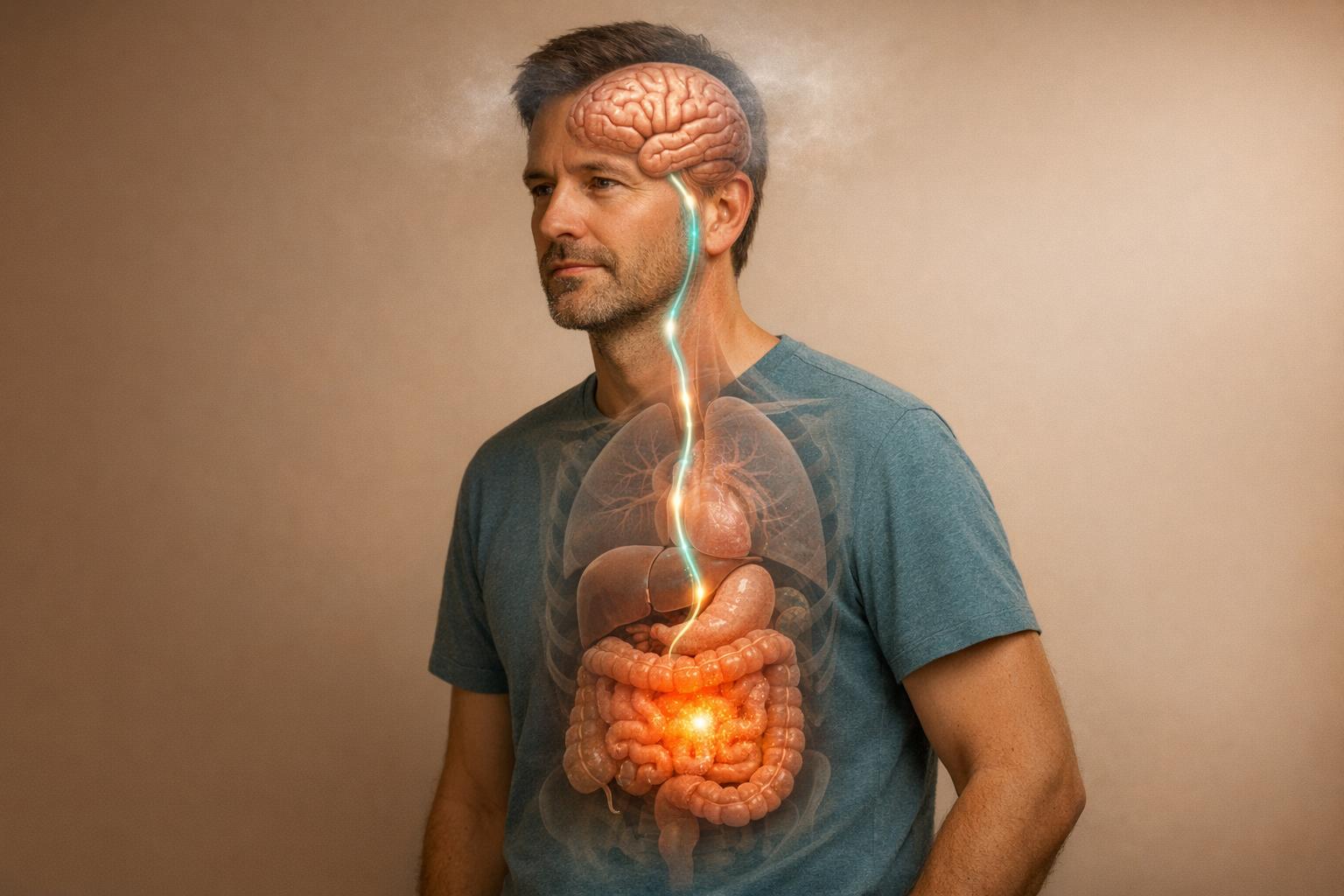
Your gut and brain are constantly communicating through what researchers call the gut-brain axis. When chronic infections disrupt the balance of your gut microbiome, they may weaken the intestinal barrier and contribute to inflammation that can influence brain function. Researchers continue to study how these changes may play a role in cognitive concerns and neurological conditions, including Alzheimer’s disease, depression, and anxiety. While many factors contribute to these conditions, growing evidence suggests that gut health may be one important piece of the puzzle.
What Is the Gut-Brain Axis?
The gut-brain axis is the two-way communication network between your digestive system and your brain. This connection involves the nervous system, immune system, hormones, and gut microbiome. When the gut is healthy, these systems work together to support digestion, mood, memory, and cognitive function. When gut balance is disrupted, it may influence inflammation and communication between the gut and the brain.
Key Takeaways
- Chronic gut infections may contribute to inflammation and increased intestinal permeability, allowing inflammatory compounds to influence brain health.
- Immune responses and bacterial toxins such as LPS may affect the blood-brain barrier and contribute to neuroinflammation.
- Gut health has been associated with cognitive concerns including brain fog, memory changes, anxiety, and neurological conditions, although research is ongoing.
- Functional medicine focuses on personalized testing, nutrition, lifestyle strategies, and targeted support to help restore gut health and promote overall neurological wellness.
How Chronic Infections Damage Gut Health
Chronic infections can disrupt the balance of the gut microbiome by reducing beneficial bacteria, encouraging the growth of harmful microbes, and triggering persistent inflammation. Over time, these changes may weaken the intestinal barrier and affect communication between the gut and the brain.
How Chronic Infections Lead to Cognitive Problems
When inflammatory compounds and bacterial byproducts enter the bloodstream through a weakened intestinal barrier, they may activate immune responses that influence brain health. Increased permeability of the blood-brain barrier may allow inflammatory molecules and immune signals to enter brain tissue more easily, potentially contributing to neuroinflammation.
Cognitive Disorders Connected to Chronic Infections
Researchers are investigating chronic infections as one of several potential contributors to neurological diseases. Persistent inflammation and changes in the gut microbiome may influence disease progression in susceptible individuals, although these conditions are complex and involve many genetic, environmental, and lifestyle factors.
Research has also observed associations between reduced gut microbial diversity and symptoms such as impulsivity and inattention in ADHD. Scientists continue to study whether these microbial changes contribute to ADHD or develop alongside the condition.
Findings related to autism and other neurological disorders suggest that gut microbiome changes may influence neurological function, but this remains an evolving area of research rather than a definitive cause-and-effect relationship.
Functional Medicine Treatments for the Gut-Brain Axis
Functional medicine takes a personalized approach to supporting the gut-brain axis through nutrition, lifestyle interventions, targeted supplementation, and advanced testing. Improving dietary fiber intake, supporting beneficial bacteria, and identifying individual imbalances may help promote healthier communication between the gut and the brain.
It’s important to remember that every person’s health history is different. Functional medicine and functional neurology are designed to identify and address contributing factors that may affect overall health and neurological function. These approaches are intended to complement—not replace—appropriate medical evaluation and treatment when needed.
Conclusion
Addressing gut health early may help support cognitive function, digestive health, and overall well-being. While no single treatment can prevent or reverse neurological conditions, improving gut health may be an important part of a comprehensive care plan for many individuals.
At HML Functional Care, we take a personalized approach to understanding the connection between gut health and brain function. Using advanced functional medicine testing alongside functional neurology assessments, we work to identify factors that may be contributing to inflammation, digestive concerns, and neurological symptoms. From there, we develop individualized care plans that support healthier gut function and overall neurological wellness.
FAQs
Can improving gut health support brain health in people with conditions like Alzheimer’s or ADHD?
Growing research suggests that gut health may influence brain function through the gut-brain axis. Improving gut health may help support overall neurological wellness and reduce factors that contribute to inflammation. However, Alzheimer’s disease, ADHD, and other neurological conditions are complex disorders with many contributing factors. Gut-focused therapies should be considered one part of a comprehensive, individualized care plan rather than a standalone treatment.
Book an appointment with HML Chiropractic & Functional Care or call us at (816) 768-6000. We are located at 200 NE Missouri Rd, Suite 306, Lee’s Summit, MO 64086.